
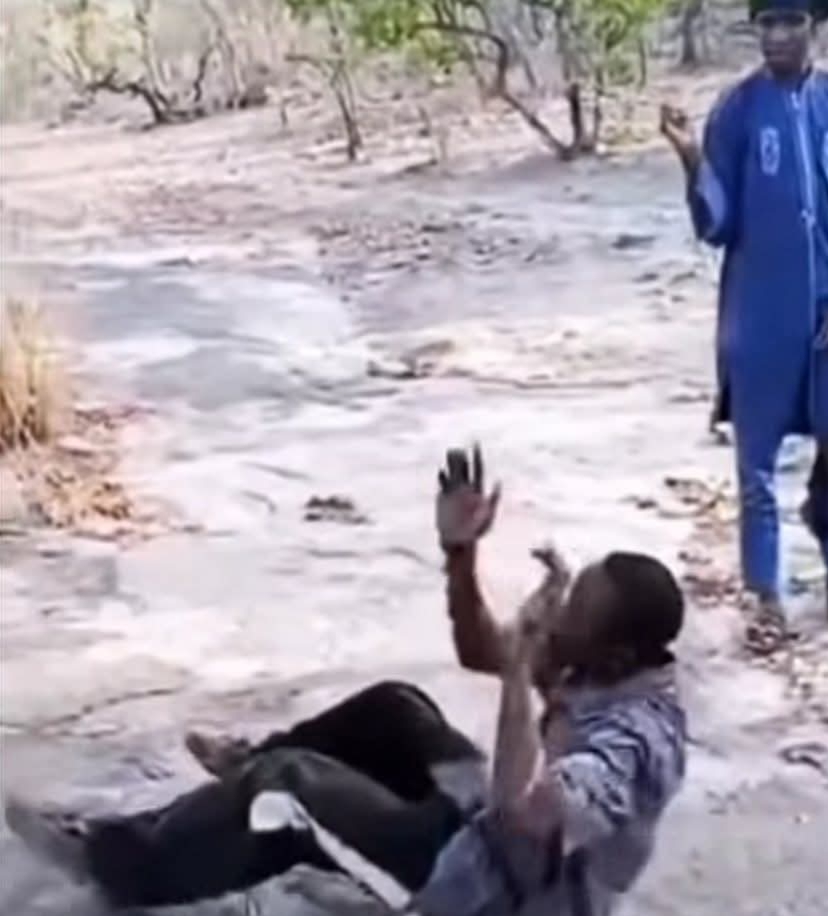

Nigeria’s deepening insecurity has taken a disturbing turn—our schools are no longer safe spaces for learning but extensions of a widening crisis. The reported abduction of a student of University of Jos while travelling to Kaduna State is yet another grim reminder that the country is failing its young people.
That the victim was allegedly kidnapped in transit, and that the abductors reportedly used the student’s own phone to circulate a ransom video within a school WhatsApp group, speaks volumes about the brazenness of criminal networks. A N30 million ransom demand is not just a crime—it is an indictment of a system that has allowed kidnapping to evolve into a structured economy.
But beyond the horror of this single attack lies a more troubling pattern: students are increasingly becoming targets. From highways to hostels, lecture halls to off-campus residences, insecurity is reshaping the very idea of education in Nigeria.
Parents now send their children to school with more fear than hope. Students plan journeys like military operations, weighing routes, timing, and risks. Some avoid travelling altogether, missing academic obligations simply to stay alive. Others quietly withdraw from institutions located in high-risk areas. What does education mean in a country where survival becomes the first curriculum?
The implications are profound. Universities like University of Jos—once centres of intellectual growth—are now caught in the crossfire of a national security breakdown. The psychological toll on students is immeasurable: anxiety, trauma, and a constant sense of vulnerability. Learning cannot thrive under such conditions.
Worse still, the silence or slow response that often trails such incidents only deepens public distrust. In this case, the absence of an immediate official statement leaves room for speculation, fear, and misinformation—fertile ground for panic in already fragile academic communities.
This is not an isolated case. Across the country, from Kaduna State to other flashpoints, schools have been attacked, students abducted, and academic calendars disrupted. Each incident chips away at the nation’s future, because education is not just about individuals—it is about national development.
The question, then, is not whether Nigeria has an insecurity problem. It is whether the government fully grasps the scale of its consequences on education. When students can no longer move freely, when campuses become unsafe, and when learning is interrupted by fear, the country is effectively mortgaging its future.
Until decisive, visible, and sustained action is taken to secure both highways and campuses, stories like this will continue to surface—not as shocking headlines, but as routine tragedies. And that, perhaps, is the most dangerous development of all.