
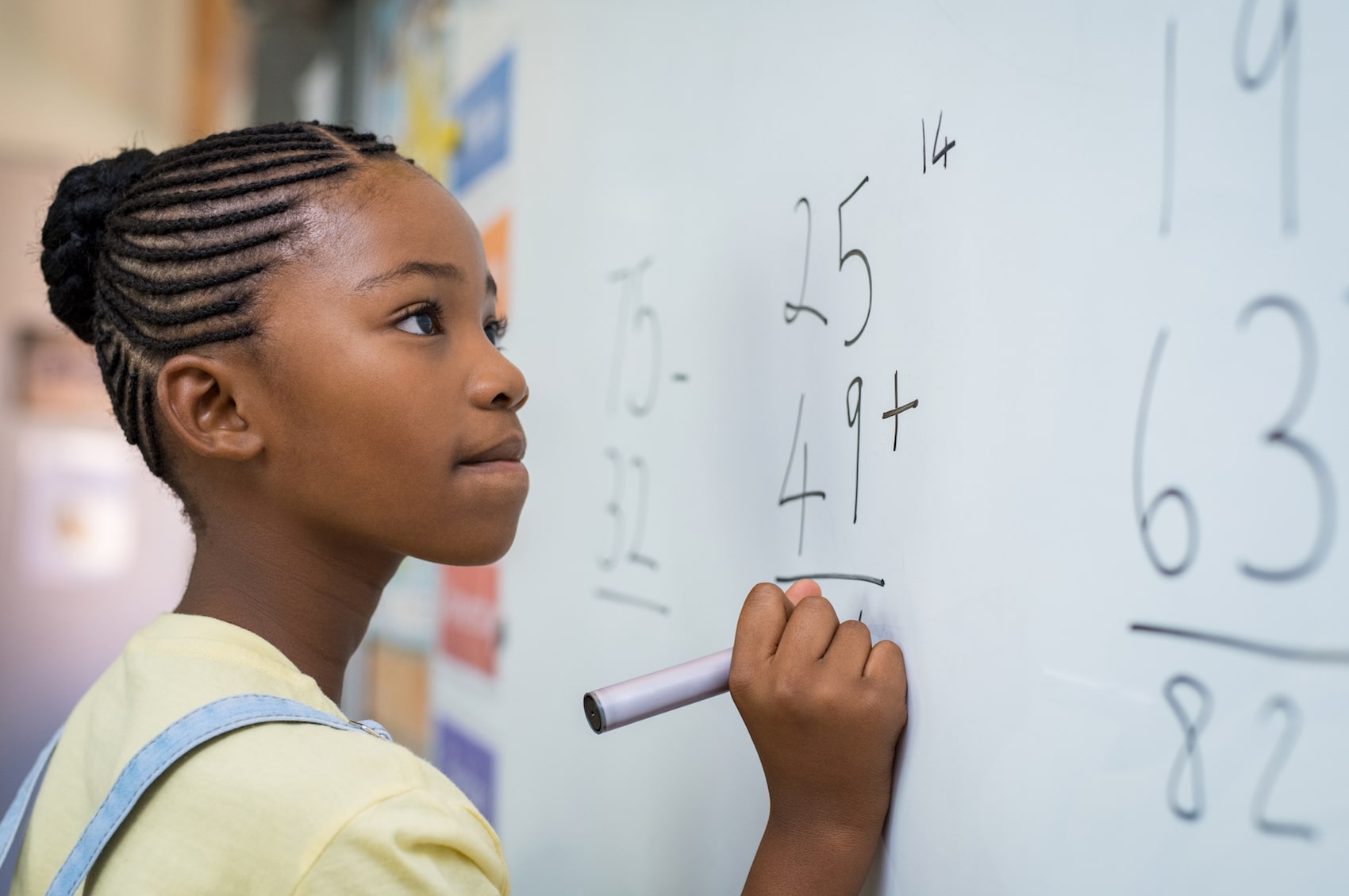

Education should not end when a student leaves the classroom. The real purpose of learning is to develop people who remain curious, ask questions, seek new knowledge and can adapt when the world around them changes. This is why the habits students develop in school can be just as important as the information they memorise for examinations.
A student may forget a particular formula or historical date years after leaving school, but habits such as curiosity, critical thinking, reading, reflection and asking meaningful questions can remain useful throughout life. These habits help learners become more independent and prepare them to continue learning even when there is no teacher standing in front of them.
For schools, therefore, the goal should not only be to produce students who can pass examinations. Classrooms should also create learners who are comfortable with discovering, questioning and applying knowledge long after graduation.
1. Asking questions without fear
One of the strongest habits of lifelong learners is the willingness to ask questions. Students who ask “why”, “how” and “what if” are not simply interrupting a lesson; they are actively engaging with what they are being taught.
A classroom that welcomes questions helps children understand that not knowing something is not a weakness. Instead, it is an opportunity to learn. When students feel safe enough to ask questions, they are more likely to investigate unfamiliar ideas and seek clarification when they encounter difficulties.
Teachers can encourage this habit by responding patiently to questions, including those that may appear simple. Over time, students learn that curiosity is something to value rather than something to hide.
2. Reading beyond the lesson
Textbooks are important, but lifelong learners understand that knowledge exists beyond the pages assigned by a teacher. Developing the habit of reading beyond the immediate lesson can gradually turn students into independent seekers of information.
A student studying climate change, for example, may benefit from reading articles, books and reliable educational resources outside the classroom. Similarly, someone learning about Nigerian history may discover perspectives and stories that are not fully covered during a particular lesson.
This habit also helps students discover subjects they genuinely enjoy. When reading becomes more than a school requirement, it can become a personal source of knowledge, imagination and exploration.
3. Learning to think, not just memorise
Memorisation has a place in education, but lifelong learning requires more than remembering information. Students need to understand what they are learning, question it, connect ideas and determine how knowledge can be applied.
A classroom that encourages critical thinking gives students opportunities to explain their reasoning instead of simply providing the correct answer. A Mathematics teacher, for instance, can ask students to explain how they arrived at a solution. A History teacher can ask them to consider why people behaved differently under particular circumstances.
Such activities teach students that learning is not merely about collecting answers. It is also about understanding how to arrive at them.
4. Making mistakes and trying again
Students who believe that mistakes are evidence of failure may become afraid of challenging themselves. However, lifelong learners understand that mistakes can provide useful information about what needs to improve.
A classroom that allows students to make reasonable mistakes without humiliation can help develop resilience. When a student gives an incorrect answer, the teacher can use the opportunity to explore where the misunderstanding occurred rather than simply dismissing the response.
This teaches an important lesson: getting something wrong does not mean learning has stopped. Sometimes, the mistake is part of the learning process.
Students who develop this attitude are more likely to continue trying when they encounter difficult subjects, unfamiliar tasks or new experiences later in life.
5. Reflecting on what they learn
Reflection is another classroom habit that can support lifelong learning. Students should occasionally be encouraged to think about what they have learnt, what they found difficult and what they still do not understand.
Reflection turns learning into a more conscious process. Instead of simply moving from one topic to another, students begin to recognise how their understanding develops.
A teacher might ask students to explain the most important idea they learnt from a lesson or describe how their thinking has changed. These simple activities can help learners become more aware of their strengths and weaknesses.
In addition, reflective students are better positioned to identify the strategies that work for them. This can make them more independent as they progress through their education.
6. Connecting lessons to real life
Students are more likely to develop a lasting interest in learning when they can see how knowledge relates to the world around them. A classroom should therefore connect academic ideas to everyday experiences whenever possible.
A lesson about percentages can be connected to shopping, discounts and personal budgeting. Biology can be linked to health and the environment, while Geography can be connected to flooding, agriculture and urban development.
These connections show students that education is not simply something that happens for the sake of examinations. Knowledge has practical uses, and understanding those uses can encourage students to keep learning outside school.
7. Learning With Others
Lifelong learning does not always happen alone. People learn from colleagues, friends, mentors, communities and people with different experiences. Classroom collaboration can help students develop this understanding from an early age.
Group discussions and collaborative projects encourage students to listen to different opinions, explain their own ideas and reconsider their assumptions. They also learn that another person may understand something from a completely different perspective.
However, effective collaboration requires more than putting students into groups. Teachers need to create tasks that require genuine discussion and shared problem-solving rather than allowing one student to complete all the work. When students learn how to learn with others, they develop a skill that remains valuable far beyond the classroom.
Read also:
Why classroom culture can matter more than classroom size for student learning
10 classroom habits that quietly reduce students’ learning
8. Taking responsibility for learning
A lifelong learner does not wait for someone else to provide every answer. Students need opportunities to take increasing responsibility for their own learning.
This can begin with simple choices. Teachers can allow students to select a research topic, decide how to present a project or identify additional resources they would like to explore.
As students grow older, they can take greater responsibility for setting study goals, organising their time and identifying areas where they need improvement.
This does not mean teachers should withdraw their support. Instead, the teacher gradually moves from doing everything for the learner to helping the learner develop the confidence and skills to take greater ownership.
9. Being curious about the world
Curiosity is one of the foundations of lifelong learning. A curious student does not see knowledge as something that exists only in textbooks. They notice things, ask questions and want to understand how the world works.
Teachers can encourage curiosity by introducing interesting problems, unusual examples and questions that do not have immediate answers. Lessons can also create opportunities for students to investigate topics that naturally interest them. When curiosity is encouraged, learning becomes less about completing assignments and more about discovering something new.
This is particularly important in a rapidly changing world. New technologies, careers and social challenges continue to emerge, meaning that today’s students will need the ability to learn things that may not yet exist in their current curriculum.
10. Seeking feedback
Students who know how to use feedback effectively are better equipped to improve. Rather than seeing corrections as criticism, they can learn to view feedback as information about what they can do better.
Teachers can help by making feedback specific. Instead of simply writing “poor work”, a teacher might explain which part of the student’s reasoning needs improvement and what could be done differently.
Students should also be encouraged to respond to feedback rather than simply receiving it. Revising an essay, correcting a calculation or improving a project after receiving guidance helps learners understand that work can develop through repeated improvement. This habit can become extremely valuable outside education because professionals in almost every field need to learn from feedback.
11. Exploring without always being graded
When every classroom activity is connected to marks, students can begin to associate learning with assessment rather than discovery. While examinations and assessments remain important, students also need opportunities to explore ideas simply because they are interesting.
A science lesson could allow students to investigate a question without worrying about whether the activity will appear in an examination. An English class could give students room to write creatively without turning every sentence into an assessment exercise.
These experiences remind students that knowledge has value beyond grades. They also help develop intrinsic motivation, where learners engage with something because they genuinely want to understand it rather than because they expect a reward.
12. Developing the habit of finding answers
A teacher cannot provide students with every answer they will ever need. One of the most useful things education can teach is how to find reliable answers independently.
Students can learn how to use books, libraries, credible websites, academic resources and other information sources. They should also learn to question the reliability of what they find, particularly in an age when misinformation can spread rapidly online.
The ability to search, compare, verify and apply information is increasingly important. A student who develops this habit becomes less dependent on simply being told what to believe.
This is one of the clearest differences between memorising knowledge and becoming a lifelong learner.
The habits developed in school can shape how students approach learning for many years. A child who is encouraged to ask questions may become an adult who is comfortable learning a new skill. A student who learns to reflect on mistakes may become a professional who responds constructively to failure. Someone who discovers the pleasure of reading may continue using books and other resources to expand their knowledge long after graduation.
However, these habits do not develop automatically. Classroom culture matters. If students are mocked for asking questions, punished harshly for mistakes or taught that only examination scores matter, they may become more concerned about avoiding failure than pursuing knowledge.
Teachers therefore have an important responsibility to create environments where curiosity and effort are valued. Parents also have a role to play by encouraging children to discuss what they have learnt rather than focusing exclusively on grades.
The purpose of education should ultimately extend beyond preparing students for the next examination. It should prepare them for a lifetime in which they will repeatedly encounter unfamiliar problems, new technologies, changing careers and situations that require them to acquire new knowledge.
A lifelong learner is not someone who knows everything. Rather, it is someone who understands how to keep learning.
When classrooms encourage questioning, reading, reflection, collaboration, curiosity and independent thinking, they give students something more valuable than information that may eventually be forgotten. They give them the habits needed to continue growing. That is the kind of education that remains useful long after the final school bell rings.