

[]
Home response.text()) .then(data => new DOMParser().parseFromString(data, “text/html”)) .then(dom => dom.querySelector(“div.uos-sitemap”)) .then(sitemap => getBreadcrumbsFromSitemap(sitemap)) .catch(() => getBreadcrumbsFromPath()) .then(breadcrumbs => buildBreadcrumbsHtml(breadcrumbs)) function findElementToStartFrom(sitemap) { let element = sitemap.querySelector(“a[href='” + windowPath + “?’]”) || sitemap.querySelector(“a[href='” + windowPath + “‘]”) if (element) { return element } let pathParts = windowPath.split(“/”).filter(part => part !== ”) for(let i = pathParts.length; i >=1 ; i–) { let path = (‘/’ + pathParts.slice(0, i).join(‘/’)) let element = sitemap.querySelector(“a[href='” + path + “‘]”) || sitemap.querySelector(“a[href='” + path + “/index.page’]”) || sitemap.querySelector(“a[href='” + path + “?’]”) || sitemap.querySelector(“a[href='” + path + “/index.page?’]”) if (element) { return element } } throw new Error(“Can’t find starting element in sitemap”) } function getBreadcrumbsFromSitemap(sitemap) { let breadcrumbs = [] let element = findElementToStartFrom(sitemap); while (element) { breadcrumbs.push(makeBreadcrumb((new URL(element.href)).pathname, element.innerText.trim())) element = getParentLink(element) } let homeTitle = sitemap.querySelector(“h2”).innerText.trim() let homeUrl = sitemap.querySelector(“a”).href.trim() breadcrumbs.push(makeBreadcrumb((new URL(homeUrl).pathname), homeTitle)) return breadcrumbs.reverse() } function getBreadcrumbsFromPath() { console.log(“Building breadcrumbs from path”) let breadcrumbs = [] let pathParts = windowPath.split(“/”).filter(part => part !== ”) for(let i = 1; i char.toUpperCase()) breadcrumbs.push(makeBreadcrumb(url, title)) } return breadcrumbs } function makeBreadcrumb(url, name) { return {href: url.trim(), name: name.trim()} } function buildBreadcrumbsHtml(breadcrumbs) { let rootElement = document.querySelector(“#BreadcrumbListNavElem”) breadcrumbs.forEach(crumb => { if (crumb.href === windowPath) { return } let rootDiv = document.createElement(“div”) rootDiv.setAttribute(“typeof”, “ListItem”) rootDiv.setAttribute(“property”, “itemListElement”) rootDiv.setAttribute(“class”, “uos-breadcrumb-child”) let link = document.createElement(“a”) link.href = crumb.href link.setAttribute(“title”, crumb.name) link.setAttribute(“typeOf”, “WebPage”) link.setAttribute(“property”, “item”) let titleSpan = document.createElement(“span”) titleSpan.innerText = crumb.name rootDiv.appendChild(link) link.appendChild(titleSpan) rootElement.innerHTML += “>” rootElement.appendChild(rootDiv) }) } function getParentLink(element) { while (element.tagName !== “UL”) { element = element.parentElement if (!element) { return null } } return Array.from(element.parentElement.children).find(item => item.tagName === “A”) } ]]>
Published: 2026-07-17 10:00:00
.jpg) Southampton academics elected as British Academy fellows
Southampton academics elected as British Academy fellows
Celebrated academics from the University of Southampton have been named fellows of the British Academy for their contributions to humanities and social sciences.
Professor Jane Falkingham joins the acclaimed academy alongside political expert Professor Will Jennings as fellows, and Professor Tony Brown as an international fellow.
They will become part of a community of nearly 2,000 academics which, across its history, has included leading minds Dame Frances Yates and Sir Winston Churchill.
Professor of Demography and International Social Policy Jane Falkingham CBE (below) is the Vice President for International and Global Engagement at the University of Southampton.
A distinguished demographer who directs the ESRC Centre for Population Change, based at the University, she is widely known as a leading voice in international social science and in 2023 was awarded a CBE for her services to the field.

Prof Falkingham said: “I am delighted for my contribution to my disciplines of demography and social policy to have been recognised by my peers through this award of Fellowship of the British Academy. This is one of the highlights of my career.
“I look forward to working with inspirational members of the British Academy to continue to champion the humanities and social sciences, highlighting our central role in tackling the challenges facing the world. Never has this been more important given the challenges the sector faces.”
The British Academy, founded in 1902, is the UK’s national body for the humanities and social sciences.
It is also a funder of both national and international research, as well as a forum for debate and public engagement.
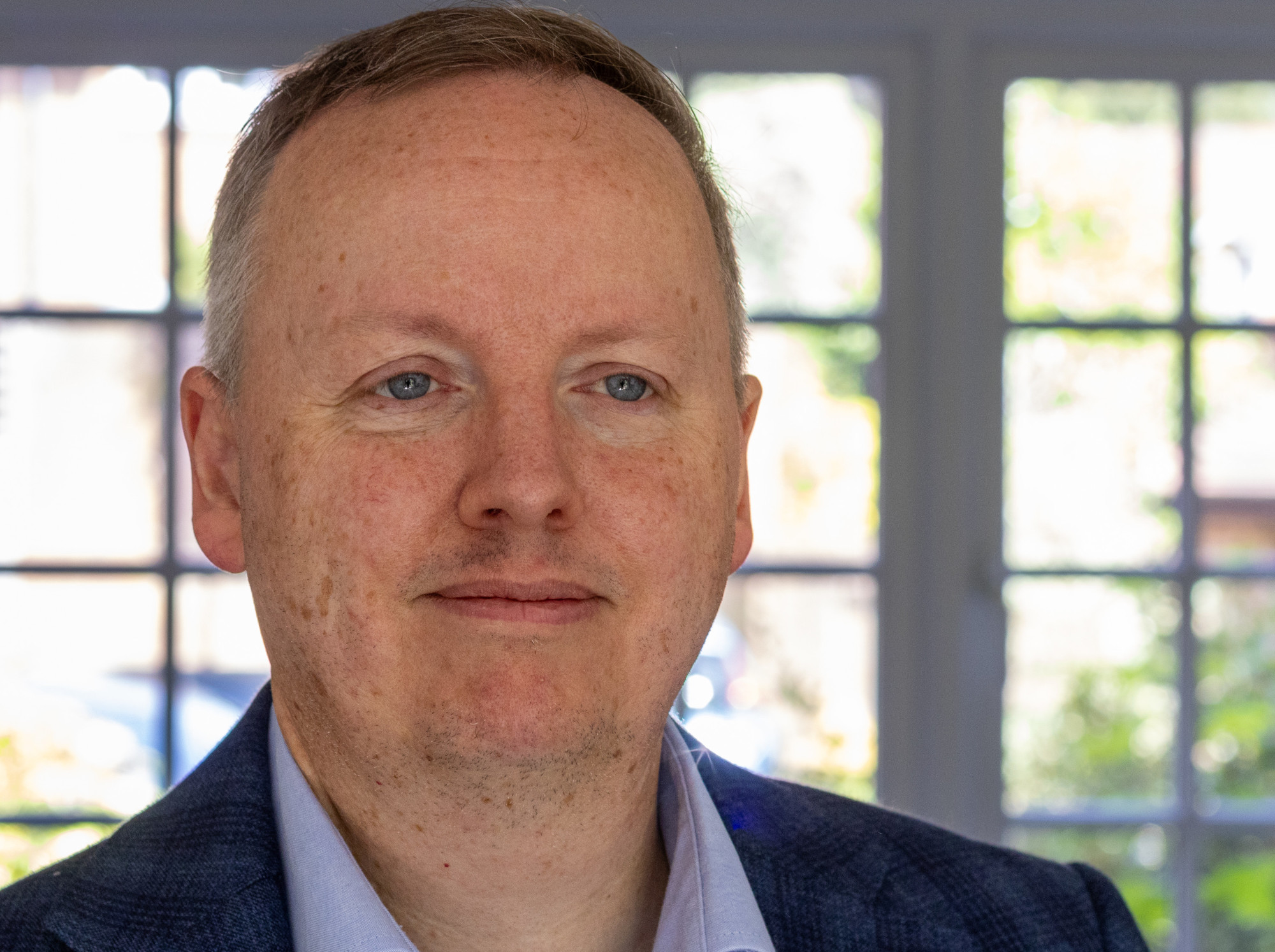
Professor of Political Science and Public Policy Will Jennings (below) is a prolific author and acclaimed elections analyst, frequently appearing in the media in the aftermath of voting results, and holds leadership roles across academic journals and networks.
He said: “I am deeply moved and honoured to have been recognised by the British Academy. Early in my career, a postdoctoral fellowship awarded by Academy gave me an invaluable opportunity to develop as a scholar that I still benefit from today.
“I look forward to contributing to the Academy’s mission to promote research in the social sciences and humanities, especially in my own field of the study of democratic politics.”
In 2026, a total of 58 UK Fellows, 32 International Fellows and two Honorary Fellows have been nominated for election to the British Academy Fellowship.
Read more at www.thebritishacademy.ac.uk/fellows .