
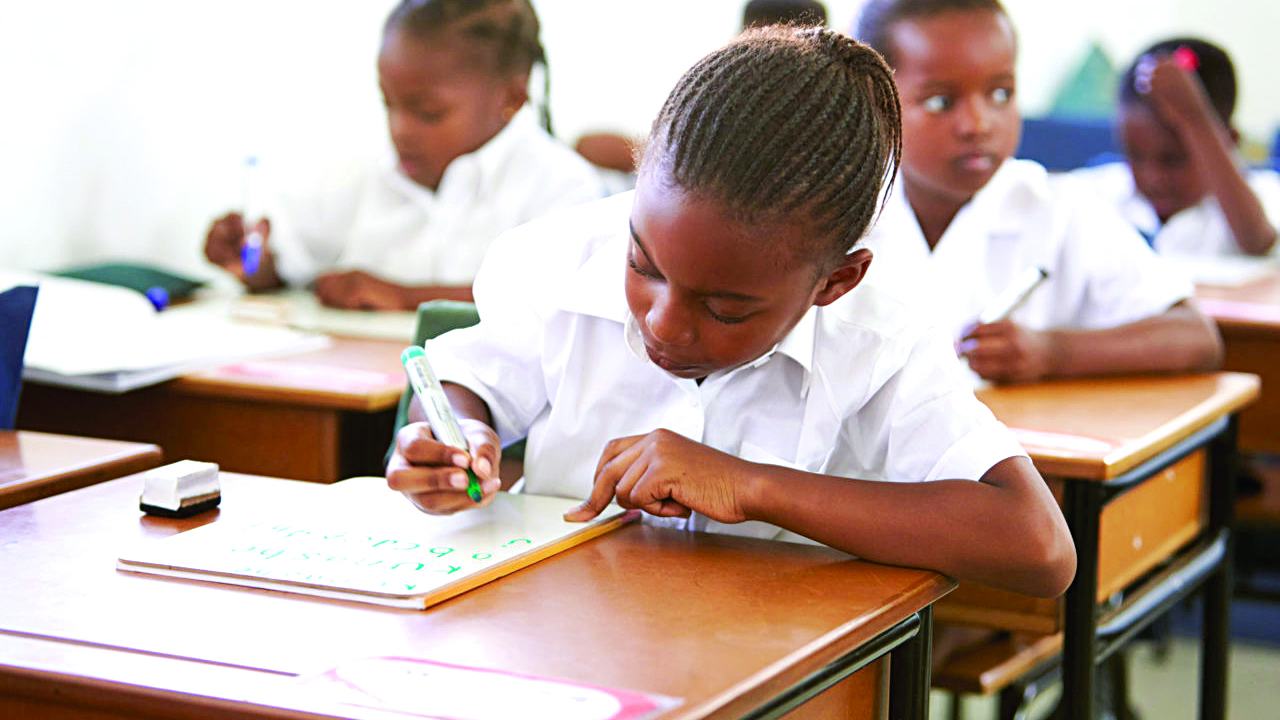

For many parents, providing a good education begins with making financial sacrifices. They work long hours, take extra jobs, postpone personal needs and carefully budget household expenses to ensure that school fees are paid on time. In many Nigerian homes, paying tuition is seen as one of the greatest expressions of parental responsibility because education is widely regarded as the surest path to a better future. Indeed, countless parents deserve immense credit for the sacrifices they make to keep their children in school despite rising living costs and increasing educational expenses.
However, while paying school fees opens the classroom door, it does not automatically guarantee that a child will thrive once inside. Academic success depends on much more than enrolment in a good school. Children also need encouragement, reassurance, understanding and a sense of emotional security to learn effectively. A student may attend one of the country’s best schools, have access to quality teachers and possess all the required textbooks, yet still struggle academically because their emotional needs remain unmet.
Increasingly, educational researchers and child psychologists emphasise that emotional wellbeing and learning are deeply connected. Children learn best when they feel safe, valued and supported. According to UNICEF, nurturing relationships with caring adults significantly influence children’s cognitive, emotional and social development. Similarly, UNESCO continues to stress that quality education extends beyond curriculum delivery to include learning environments where students feel respected, included and emotionally secure.
This understanding has become particularly important as children and teenagers face growing pressures. Academic competition has intensified, social media has increased comparison among peers and concerns about examination performance continue to affect many students. In addition, some children quietly struggle with bullying, family conflict, financial difficulties or anxiety without openly discussing these experiences. During such periods, emotional support from parents often becomes just as valuable as any financial investment made in their education.
Unfortunately, emotional support is sometimes overlooked because it cannot be measured as easily as school fees, report cards or examination results. Parents may assume that fulfilling financial responsibilities alone is sufficient, believing that providing quality education naturally guarantees positive outcomes. While financial provision remains essential, children also need consistent emotional connection to build confidence, resilience and motivation.
As conversations about educational success continue evolving, it is becoming increasingly clear that raising academically successful children requires balancing financial commitment with emotional presence. One without the other may leave important gaps in a child’s overall development.
Children rarely leave their emotions at the school gate. Whatever they experience at home often accompanies them into the classroom, influencing how they concentrate, participate and interact with teachers and classmates.
A child who feels loved, listened to and accepted generally approaches learning with greater confidence. They are more likely to ask questions when confused, attempt challenging tasks and recover from academic setbacks because they know their worth does not depend solely on perfect performance. Emotional security provides the foundation upon which intellectual growth can flourish.
Conversely, children who constantly experience criticism, neglect or emotional distance may struggle to engage fully with learning. Their attention is often divided between academic tasks and unresolved emotional concerns. A child worried about persistent family conflict or afraid of disappointing parents may find it difficult to concentrate during lessons, regardless of how capable they are academically.
Neuroscience supports this connection between emotions and learning. Research has consistently shown that chronic stress affects brain functions involved in attention, memory and decision-making. When children feel persistently anxious or emotionally unsafe, their ability to process new information may decline. This explains why emotionally distressed students sometimes perform below their actual intellectual potential.
In addition, emotional support encourages healthy attitudes towards mistakes. Every learner encounters challenges, whether through disappointing examination results, difficult subjects or unsuccessful assignments. Children who receive encouragement during these moments are more likely to develop resilience. They begin viewing setbacks as temporary obstacles rather than permanent evidence of failure.
Parents therefore play a crucial role in shaping how children interpret academic experiences. Responding calmly after poor examination results, discussing improvement strategies and reassuring children of continued love communicate powerful messages about perseverance. Such responses help students maintain confidence while remaining motivated to improve.
Furthermore, emotional availability strengthens communication. Children who regularly experience supportive conversations with parents are generally more willing to discuss school-related concerns. They are more likely to mention bullying, academic difficulties, friendship problems or examination anxiety before these challenges become overwhelming. Early communication allows families to address issues promptly rather than discovering them only after academic performance has significantly declined.
Read also:
Beyond the classroom: The invisible emotional labour teachers perform every day
Beyond physical safety: Why many students feel emotionally unsafe at school
Providing quality education undoubtedly requires financial commitment. School fees, textbooks, uniforms, transportation and educational materials all contribute to children’s learning experiences. However, education should not be understood purely as an economic investment. It is equally a relational process shaped by encouragement, trust and meaningful family engagement.
Many children interpret parental involvement through everyday interactions rather than financial expenditure alone. Asking about school, listening attentively to classroom experiences, celebrating effort and attending school events communicate genuine interest in children’s lives. These seemingly ordinary actions strengthen children’s sense of belonging and reinforce the importance of education beyond examination results.
Unfortunately, modern family life often creates obstacles to such involvement. Parents balancing demanding careers, business responsibilities and financial pressures may have limited time available for regular conversations. Although these sacrifices are frequently made precisely to support children’s futures, prolonged emotional absence may unintentionally affect children’s confidence and wellbeing.
Technology presents additional challenges. Families increasingly spend evenings sharing physical space while remaining emotionally disconnected through smartphones, laptops and televisions. Children may hesitate to discuss personal concerns when adults appear consistently distracted. Consequently, emotional needs sometimes remain hidden despite parents’ sincere commitment to providing educational opportunities.
Moreover, emotional support becomes especially important during periods of academic difficulty. Every student experiences disappointing results at some stage. Children facing examination failure often fear parental reactions more than the results themselves. Harsh criticism, constant comparisons or expressions of disappointment may intensify feelings of inadequacy rather than encouraging improvement.
Supportive responses, however, produce different outcomes. Parents who acknowledge disappointment while expressing confidence in their children’s ability to improve foster healthier motivation. They communicate that academic performance matters but does not determine personal worth. This distinction encourages persistence because children feel supported rather than rejected during challenging periods.
Importantly, emotional support also strengthens intrinsic motivation. Students who feel valued for their character, effort and progress often develop genuine enthusiasm for learning. Their motivation extends beyond obtaining parental approval because they begin appreciating education as a meaningful personal journey. Conversely, children whose relationships with parents revolve almost exclusively around grades may study primarily to avoid criticism or gain temporary praise.
Educational success additionally depends on confidence. Students willing to participate actively, attempt difficult questions and pursue ambitious goals usually possess supportive relationships reinforcing their belief in their own capabilities. Parents contribute significantly to this confidence through everyday words of encouragement, patient listening and realistic expectations.
Supporting children’s emotional wellbeing does not require extraordinary financial resources. Rather, it involves consistent habits demonstrating genuine care, respect and availability throughout children’s educational journeys.
One essential aspect involves active listening. Children often reveal important concerns indirectly through casual conversations. Parents who listen attentively without immediate judgement create environments where honest communication becomes natural. Whether discussing friendships, examination worries or classroom experiences, children benefit enormously from knowing someone genuinely values their perspectives.
Encouragement also deserves careful consideration. Praise focused exclusively on high grades may unintentionally discourage resilience because children begin associating approval only with perfect outcomes. Recognising persistence, improvement, kindness and responsible study habits communicates broader definitions of success. Such encouragement motivates children to continue learning even when immediate results fall short of expectations.
Additionally, families should normalise conversations about emotions alongside academics. Asking children how they feel about school, rather than simply asking about homework or examination scores, demonstrates that emotional experiences matter. These discussions help parents identify stress, anxiety or frustration before they significantly affect academic performance.
Schools likewise have important responsibilities. Teachers who build supportive classroom relationships often become trusted adults capable of reinforcing children’s emotional security. Positive partnerships between schools and families ensure consistent messages encouraging both academic excellence and emotional wellbeing. When parents and teachers collaborate openly, children experience stronger support systems across home and school environments.
Communities also benefit from recognising emotional wellbeing as an educational priority. Public discussions frequently emphasise school infrastructure, curriculum reforms and examination outcomes. While these issues remain important, emotional development deserves equal attention because learning cannot be separated from psychological wellbeing. Investments in school counselling services, teacher training and mental health awareness strengthen educational quality by supporting children’s holistic development.
Parents should also remember that emotional support evolves as children grow older. Younger children may require reassurance through affection and shared activities, while adolescents often benefit from respectful conversations acknowledging increasing independence. Regardless of age, however, children continue needing acceptance, encouragement and dependable relationships with caring adults.
Equally important is recognising that emotional support complements rather than replaces discipline. Loving guidance includes setting appropriate boundaries, encouraging responsibility and maintaining realistic expectations. Children thrive when they experience both warmth and structure. Emotional support therefore does not involve shielding children from every disappointment but helping them navigate challenges with confidence and resilience.
Finally, emotional investment prepares children for life beyond school. Academic knowledge remains valuable, yet adulthood also requires emotional intelligence, self-confidence, adaptability and healthy relationships. Children who grow up feeling supported are generally better equipped to handle university pressures, workplace challenges and personal setbacks because they possess strong internal foundations developed through caring family relationships.
Parents across Nigeria continue making remarkable sacrifices to educate their children. Paying school fees, purchasing educational materials and providing quality learning opportunities reflect profound commitment to children’s futures. These efforts deserve recognition because education remains one of the most powerful investments families can make.
However, educational success cannot be sustained through financial provision alone. Children also require emotional support that strengthens confidence, resilience and motivation throughout their academic journeys. They need parents who celebrate achievements, encourage perseverance after disappointments, listen without judgement and remind them that their value extends beyond examination scores. Such emotional security influences not only academic performance but also lifelong attitudes towards learning and personal development.
As education continues adapting to an increasingly complex world, recognising the relationship between emotional wellbeing and academic success becomes essential. Children facing today’s educational demands need supportive relationships that help them manage pressure, overcome setbacks and maintain confidence despite inevitable challenges. Emotional support therefore represents not an optional addition to education but one of its fundamental foundations.
Ultimately, paying school fees may secure a child’s place in the classroom, but emotional support helps that child flourish once they arrive. The most meaningful educational investment combines financial sacrifice with genuine presence, creating environments where children feel both challenged to achieve and secure enough to believe they can. When parents provide both, they give their children something even more valuable than education alone—they give them the confidence to make the most of every opportunity education provides.