
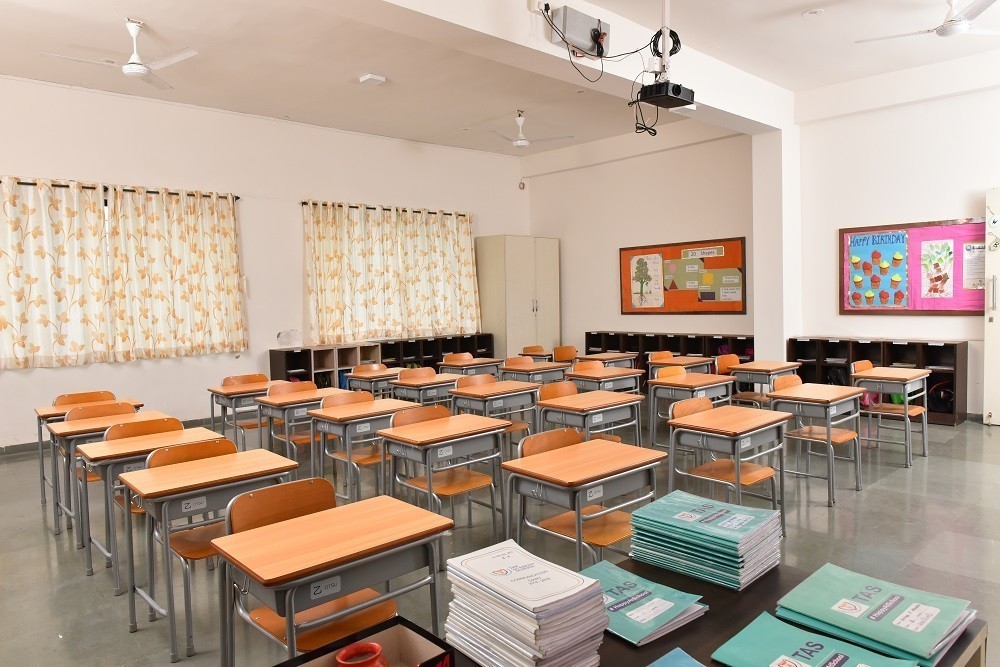

When conversations about improving education in Nigeria arise, attention often centres on curriculum reforms, teacher quality, examination standards and funding. While these issues are undeniably important, one equally critical factor is frequently overlooked: the physical environment in which learning takes place. A school’s infrastructure is much more than its buildings. It includes classrooms, libraries, laboratories, sanitation facilities, electricity, furniture, internet connectivity, sports facilities and every physical resource that supports teaching and learning.
For many children, school is where they spend a significant portion of their day. The condition of that environment influences how they learn, how they interact with teachers and peers, and even how motivated they feel to attend classes. A bright, well-ventilated classroom can encourage concentration, while an overcrowded, poorly maintained one can become a source of discomfort and distraction. In the same way, access to functional libraries and science laboratories can transform theoretical lessons into practical understanding, helping students develop deeper knowledge and stronger critical thinking skills.
Educational experts have long recognised the link between learning environments and student achievement. UNESCO and UNICEF have consistently emphasised that quality education extends beyond teaching methods and curriculum to include safe, inclusive and well-equipped learning spaces. Research conducted in different parts of the world has also shown that students generally perform better when schools provide comfortable classrooms, adequate learning resources and facilities that promote both physical wellbeing and academic engagement.
In Nigeria, however, the quality of school infrastructure varies significantly. While some schools, particularly well-funded private institutions, provide modern classrooms, digital learning tools and specialised facilities, many public schools continue to struggle with ageing buildings, overcrowded classrooms, broken furniture and inadequate learning resources. Rural schools often face even greater challenges, including unreliable electricity, poor road access and limited technological infrastructure. These disparities contribute to unequal learning experiences and, ultimately, unequal educational outcomes.
It is important to recognise that infrastructure alone cannot guarantee academic success. A beautiful school building cannot replace committed teachers, supportive parents or motivated students. However, the environment in which learning occurs either supports or limits educational potential. Understanding how school infrastructure shapes academic performance is therefore essential for anyone seeking meaningful improvements in Nigeria’s education system.
A child’s learning experience starts long before the first lesson of the day. The physical condition of the school creates an immediate impression that influences attitudes towards education. Clean classrooms, organised spaces and functional facilities communicate that learning is valued. They create an atmosphere where students feel respected, safe and motivated to participate actively.
Classroom design plays a particularly important role. Adequate lighting enables students to read comfortably without straining their eyes, while proper ventilation improves concentration by reducing discomfort caused by excessive heat. In many parts of Nigeria, classrooms become extremely hot during certain periods of the year. Without sufficient airflow or cooling measures, students may struggle to focus on lessons simply because they are physically uncomfortable. Even the most engaging teacher may find it difficult to maintain students’ attention under such conditions.
Furniture also influences learning more than many people realise. Children who spend hours sitting on broken chairs or sharing desks designed for fewer students often experience discomfort that affects concentration. Younger pupils, in particular, require age-appropriate furniture that supports healthy posture during extended learning periods. Comfortable seating may appear to be a minor issue, yet it contributes significantly to sustained attention throughout the school day.
Overcrowding presents another major challenge. In some Nigerian schools, classrooms accommodate far more students than they were originally designed to hold. Teachers managing large classes naturally face difficulties providing individual attention, monitoring participation and identifying struggling learners early. Students seated at the back may struggle to see the board clearly or hear classroom discussions, reducing opportunities for meaningful engagement.
The availability of instructional spaces beyond ordinary classrooms further enriches learning experiences. Libraries encourage independent reading, strengthen research skills and cultivate lifelong learning habits. Science laboratories enable students to observe experiments rather than merely memorising scientific theories. Computer laboratories introduce learners to digital skills increasingly required in higher education and modern workplaces. When these facilities are unavailable or poorly equipped, learning becomes largely theoretical, limiting students’ ability to apply knowledge practically.
Sanitation facilities deserve equal attention because they influence attendance and wellbeing. Access to clean toilets, safe drinking water and hygienic environments supports students’ health while reducing avoidable absenteeism. For adolescent girls especially, adequate sanitation facilities contribute to regular school attendance and greater educational participation. Infrastructure therefore affects learning not only through academic resources but also by supporting students’ physical health and dignity.
The effects of inadequate school infrastructure extend far beyond visible physical discomfort. Poor learning environments often create psychological and academic consequences that gradually influence students’ performance over time.
One significant consequence involves reduced concentration. Children learn best when they can focus fully on classroom activities. Persistent distractions such as leaking roofs during rainfall, excessive classroom noise, inadequate lighting or uncomfortable temperatures continuously interrupt attention. Although students may gradually adapt to these conditions, the cumulative effect on learning can be substantial.
Teacher effectiveness is similarly influenced by infrastructure. Dedicated educators frequently demonstrate remarkable commitment despite difficult working conditions. Nevertheless, inadequate facilities inevitably complicate lesson delivery. Teaching science without laboratory equipment, introducing digital literacy without computers or managing large classes in overcrowded rooms limits instructional possibilities regardless of teachers’ professional competence.
Attendance patterns also reflect infrastructure quality. Parents naturally prefer schools where children can learn safely and comfortably. Schools with deteriorating buildings or inadequate facilities may experience declining enrolment where alternatives exist. Furthermore, students themselves become less enthusiastic about attending environments perceived as unpleasant or neglected. Regular attendance remains fundamental to academic success, making infrastructure an indirect but important contributor to learning outcomes.
Infrastructure disparities additionally reinforce educational inequality. Urban schools generally enjoy greater access to electricity, internet connectivity, laboratories and modern learning resources than many rural schools. Consequently, students preparing for the same national examinations often do so under very different conditions. Those without practical learning opportunities may find it more difficult to compete with peers from better-equipped institutions despite possessing comparable intellectual abilities.
Technology has further highlighted infrastructure differences. Modern education increasingly integrates digital resources, online research and computer-assisted learning. During the COVID-19 pandemic, schools with stronger technological infrastructure adapted more quickly to remote or blended learning approaches. Meanwhile, schools lacking reliable internet connectivity or digital equipment faced greater disruption. Although face-to-face teaching has resumed, digital infrastructure continues shaping educational opportunities.
Psychological factors should not be underestimated either. Learning environments influence students’ sense of pride and belonging. Children attending clean, attractive schools often develop stronger emotional connections to education. Conversely, neglected environments may unintentionally communicate that education receives limited societal value. Such perceptions can gradually affect students’ motivation, aspirations and overall engagement with school life.
Teachers also experience morale-related effects. Educators working in schools with adequate facilities generally find it easier to prepare engaging lessons, conduct practical activities and maintain positive classroom environments. In contrast, continuously overcoming infrastructural limitations requires considerable creativity and resilience. While many teachers rise admirably to this challenge, sustained resource shortages inevitably contribute to professional frustration and emotional fatigue.
Importantly, poor infrastructure rarely operates in isolation. Schools experiencing physical deterioration often simultaneously struggle with limited funding, shortages of instructional materials and broader administrative challenges. These interconnected issues collectively influence educational quality, making comprehensive investment increasingly necessary.
Read also:
Why school infrastructure alone doesn’t improve learning
10 reasons why teacher motivation determines school success more than infrastructure
Improving school infrastructure should be understood not merely as constructing additional buildings but as creating environments where effective learning can flourish. Every educational investment should ultimately enhance students’ opportunities to develop academically, socially and emotionally.
Government commitment remains central to achieving this objective. Increased investment in educational infrastructure, regular maintenance programmes and equitable resource distribution help ensure that schools across different regions provide safe and supportive learning environments. While constructing new schools remains important in rapidly growing communities, maintaining existing facilities deserves equal priority. Neglected buildings inevitably deteriorate further, increasing long-term repair costs while affecting current learners.
Planning should also prioritise functionality rather than appearance alone. Attractive buildings contribute positively to school environments, yet educational effectiveness depends equally upon thoughtful classroom design, accessible libraries, well-equipped laboratories, reliable electricity, clean sanitation facilities and spaces supporting extracurricular activities. Infrastructure planning therefore requires collaboration among educators, architects, engineers and policymakers to ensure facilities genuinely meet students’ learning needs.
Communities likewise have important roles in supporting school environments. Parent associations, local organisations, alumni groups and private sector partners frequently contribute resources for classroom renovations, library development and technology provision. Across Nigeria, numerous communities have successfully improved schools through collaborative initiatives demonstrating that educational development benefits from shared responsibility.
Technology infrastructure deserves increasing attention as digital learning expands. Reliable internet access, computer laboratories and digital teaching resources prepare students for higher education and contemporary workplaces where technological competence has become essential. However, digital investment should complement rather than replace fundamental infrastructure such as safe classrooms, functional furniture and adequate sanitation.
Sustainability also matters. School infrastructure should be designed for long-term use, considering maintenance requirements, environmental conditions and future population growth. Durable construction materials, proper drainage systems and energy-efficient designs reduce maintenance costs while ensuring learning environments remain functional over many years.
Teacher input should equally inform infrastructure decisions. Educators understand daily classroom realities and can identify practical improvements supporting effective instruction. Their perspectives on classroom layouts, resource placement and teaching facilities provide valuable insights often overlooked during planning processes.
Perhaps most importantly, educational policymakers should continue recognising infrastructure as an investment rather than an expense. Every improved classroom, renovated laboratory or upgraded library contributes to children’s educational experiences over many years. These investments strengthen not only immediate learning outcomes but also national human capital development.
Children deserve learning environments reflecting society’s commitment to their futures. Well-maintained schools communicate that education matters, that students deserve dignity and that learning is valued. Such messages influence attitudes towards education in ways extending far beyond physical buildings themselves.
School infrastructure may not always attract as much public attention as examination reforms or curriculum changes, yet its influence on education is profound. The spaces where children learn shape their concentration, motivation, health and opportunities to engage meaningfully with knowledge. Comfortable classrooms, functional laboratories, accessible libraries and safe sanitation facilities all contribute to educational experiences that support stronger academic performance and personal development.
Nigeria has made important efforts to expand access to education over the years. However, ensuring that every child learns in an environment conducive to academic success remains an ongoing challenge. Significant disparities persist between schools in different regions and across different socioeconomic contexts, affecting the quality of education many learners receive. Addressing these inequalities requires sustained investment, thoughtful planning and collaboration among governments, communities and development partners.
Ultimately, improving school infrastructure is about far more than constructing buildings. It is about creating spaces where curiosity is encouraged, teaching becomes more effective and every child has the opportunity to learn without unnecessary physical or environmental barriers. Strong educational systems are built not only through excellent teachers and relevant curricula but also through learning environments that inspire confidence, promote wellbeing and support achievement.
When Nigeria invests in school infrastructure, it is investing in its children. Every renovated classroom, equipped laboratory, stocked library and safe learning space strengthens the foundation upon which future doctors, engineers, teachers, entrepreneurs, scientists and national leaders will be educated. Quality infrastructure cannot solve every educational challenge, but without it, many other reforms will struggle to achieve their full impact. It remains one of the most practical and enduring investments the country can make in the future of its education system and the generations it seeks to prepare.