
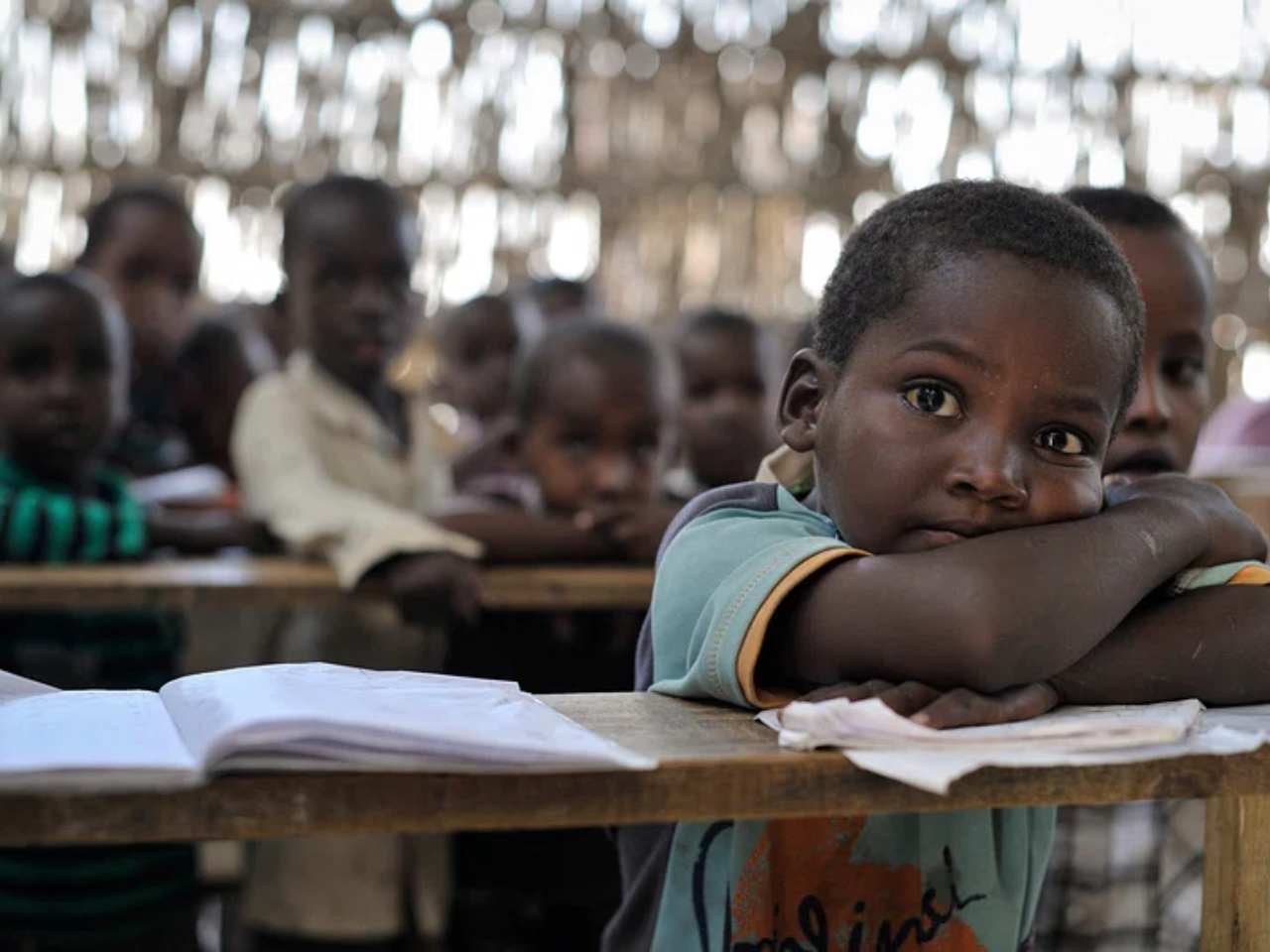

Quiet students are easy to overlook. In a classroom where participation is often measured by raised hands, quick answers and confident voices, the student who speaks less can easily be misunderstood. Teachers may assume they are not interested, classmates may think they are unfriendly, and parents may worry that something is wrong.
However, being quiet does not automatically mean a student is disengaged, unintelligent or lacking in confidence. Some students simply prefer to observe before speaking. Others need more time to process information, while some may be naturally reserved. There are also students whose silence is connected to anxiety, fear, past experiences or uncertainty about how they will be received by others.
The problem begins when adults interpret quietness without trying to understand what is behind it. A student may be paying close attention while saying very little. Another may have valuable ideas but struggle to express them in front of a large group. Treating every quiet student as though they have the same problem can cause educators to miss important differences in personality, learning style and emotional needs.
Understanding quiet students is not about forcing them to become loud. Instead, it is about creating classrooms where students have different but meaningful ways to learn, communicate and participate.
One of the most common assumptions about quiet students is that they are not paying attention. In many classrooms, active participation is associated with speaking frequently, volunteering answers and asking questions aloud. As a result, the student who rarely raises a hand may be seen as uninterested in the lesson.
However, silence does not necessarily mean disengagement. Some students listen carefully and process information internally before deciding whether to contribute. They may be following the lesson closely even when they are not verbally participating.
In fact, some quiet students may prefer to think through their answers before speaking because they do not want to respond carelessly. A student who takes longer to contribute may be reflecting deeply rather than ignoring the discussion.
Teachers should therefore be careful about judging engagement only by how often a student speaks. Listening, observing, writing and completing tasks can also demonstrate participation. A classroom should make room for different forms of engagement.
Not every student thinks at the same speed or expresses ideas immediately. Some learners are comfortable responding as soon as a question is asked, while others need a little more time to organise their thoughts.
A quiet student may know the answer but remain silent because the conversation moves too quickly. By the time they have processed the question and formed a response, another student may have already answered.
This can become a repeated pattern. Over time, the student may begin to believe that classroom discussions move too fast for them and decide that it is easier to remain silent.
Giving students a few moments to think before expecting an answer can make participation more inclusive. Teachers can also use written reflections, pair discussions and small-group activities to give quieter learners additional opportunities to process and contribute.
The fear of making mistakes can be a major reason why some students remain silent. A classroom where wrong answers are mocked, dismissed or treated as signs of failure can make students afraid to participate.
For a quiet student, the possibility of public embarrassment may feel greater than the desire to answer a question. Even students who understand the lesson may stay silent because they are worried about getting something wrong.
This fear can be strengthened when classmates laugh at incorrect answers or when teachers respond harshly to mistakes. Students quickly learn what kind of behaviour the classroom rewards and what kind of behaviour it punishes.
Creating a culture where mistakes are treated as part of learning can make a significant difference. When teachers respond respectfully to incorrect answers and guide students towards better understanding, participation becomes less emotionally risky. Quiet students are more likely to contribute when they believe they can make mistakes without losing their dignity.
Personality differences also matter. Some students are naturally more outgoing and gain energy from interacting with others. Others are more reserved and may prefer quieter forms of communication.
Being reserved is not a weakness that needs to be corrected. A student can be thoughtful, intelligent and socially capable while still preferring not to be the centre of attention.
The difficulty arises when schools treat one personality type as the ideal. Students who are outspoken may receive more attention because they are easier to notice. Meanwhile, students who speak less may be overlooked even when they are performing well.
Education should help students develop communication skills, but this does not mean every child must become highly talkative. The goal should be to help students communicate effectively in ways that suit their personalities while also building confidence when they need to speak. Quietness and inability are not the same thing.
A quiet student can have excellent ideas that the classroom never hears. This is one of the greatest losses that can occur when participation is measured mainly by who speaks the most.
Some students prefer writing to speaking. Others express themselves more comfortably in smaller groups or through creative projects. If the classroom provides only one path for participation, teachers may never discover what quieter students are capable of contributing.
A student who rarely speaks during a large discussion may write an insightful essay. Another may produce excellent work during a group project but struggle to present before the class.
Teachers can reduce this gap by creating different opportunities for students to share their thinking. Written responses, group work, anonymous questions and smaller discussions can help students contribute without the pressure of always speaking before a large audience.
The aim should not be to protect students from communication challenges forever. Rather, it is to recognise that confidence often grows gradually and that students may first need environments where their voices can develop.
Read also:
10 classroom habits that quietly reduce students’ learning
How family conflict quietly affects classroom performance
Although some students are naturally quiet, silence can sometimes be connected to emotional difficulties. A student who suddenly becomes withdrawn may be experiencing stress, anxiety, bullying, family problems or other challenges.
This is why teachers and parents should pay attention to changes in behaviour. A child who has always been reserved may simply have a quiet personality. However, a student who was previously active and suddenly stops speaking may need support.
The classroom should therefore avoid making assumptions in either direction. Not every quiet student is struggling, but neither should silence always be ignored.
A gentle conversation can sometimes provide important insight. Asking a student privately whether they are comfortable and whether anything is affecting them may create an opportunity for them to speak.
However, teachers should avoid forcing students to explain themselves publicly. A quiet child should not become the subject of unnecessary attention simply because they speak less than others.
In busy classrooms, teachers naturally notice students who speak frequently, ask questions, misbehave or require immediate assistance. Quiet students may receive less attention simply because they do not create obvious problems.
This can make them almost invisible. A student may sit at the back of the classroom, complete assignments quietly and rarely complain. Because they appear to be coping, adults may assume they need little support.
However, quiet students also need feedback, encouragement and meaningful interaction. They should not have to become disruptive before they are noticed.
Teachers can make a deliberate effort to check in with students who rarely speak. This does not mean putting them under pressure or calling on them constantly. Instead, it means ensuring that they are included in conversations and recognised for their efforts. Sometimes, a simple acknowledgement from a teacher can help a quiet student feel seen.
Classmates sometimes interpret quietness as pride or unfriendliness. A student who does not talk much may be described as arrogant simply because others do not understand their personality.
This misunderstanding can make social relationships more difficult. If classmates decide that a quiet student is unfriendly, they may stop trying to include them.
However, many quiet students want friendships and connections. They may simply find it difficult to initiate conversations or feel uncomfortable in large social settings.
Schools can help by creating inclusive environments where students have opportunities to interact naturally. Group activities, collaborative projects and structured discussions can allow students to build relationships without placing all the responsibility on the quieter learner. Friendship should not depend entirely on who speaks first.
Labels can be powerful, particularly during childhood and adolescence. When a student is repeatedly described as “the quiet one”, the label can become part of how others see them and, eventually, how they see themselves.
A child who is constantly reminded that they are quiet may begin to believe that speaking up is not part of who they are. They may feel uncomfortable when they want to participate because others have already created an identity for them.
The same problem occurs when quiet students are automatically labelled as shy, weak or lacking confidence. These descriptions may not reflect the student’s actual personality.
Teachers and parents should therefore be careful about the language they use around children. A student’s behaviour at one stage of life does not necessarily define their future. Children grow, gain confidence and change.
The quiet student in primary school may later become an excellent leader, writer, researcher, professional or public speaker. Personality is more complex than the amount of noise a person makes in a classroom.
Understanding quiet students does not mean accepting silence as their only form of communication. Students need opportunities to develop the confidence and skills required to express ideas, ask questions and participate in the world around them.
However, this development should not depend on forcing them to perform before they are ready. There is a difference between encouraging a student and constantly putting them under pressure. A teacher can gently create opportunities for a quiet learner to contribute while respecting their personality and emotional comfort.
Small successes can gradually build confidence. A student may begin by sharing an idea with a partner, then contribute to a small group and eventually feel comfortable speaking before the class.
This process is more likely to succeed when the classroom feels safe. Teachers should also recognise and praise meaningful contributions rather than rewarding only the loudest students. When quiet learners see that their ideas are valued, they may become more willing to share them.
At the same time, schools should teach all students that listening is also an important communication skill. A classroom should not create the impression that the person who talks the most automatically has the most valuable ideas. Sometimes, thoughtful students are quiet because they are listening.
Quiet students are often misunderstood because modern classrooms can place great value on visible participation. The raised hand, the confident answer and the outspoken personality are easy to notice. However, learning and intelligence do not always announce themselves loudly.
A student who speaks less may still be thinking deeply, listening carefully and understanding the lesson. Another may be struggling with confidence or fear. Some may simply be naturally reserved.
The responsibility of parents and teachers is not to force every quiet student to become the loudest person in the room. Instead, it is to understand the reasons behind the silence and create opportunities for every student to participate meaningfully.
A good classroom should have room for different voices, including the ones that take longer to emerge.
When teachers stop confusing quietness with disinterest, they become better positioned to recognise students who might otherwise be overlooked. They can also create safer spaces where reserved learners gradually build confidence without feeling that their personalities are a problem to be fixed.
Ultimately, education should not reward students only for being heard. It should also value those who listen, observe, reflect and think.
The quiet student may not always speak first. But that does not mean they have nothing important to say.