
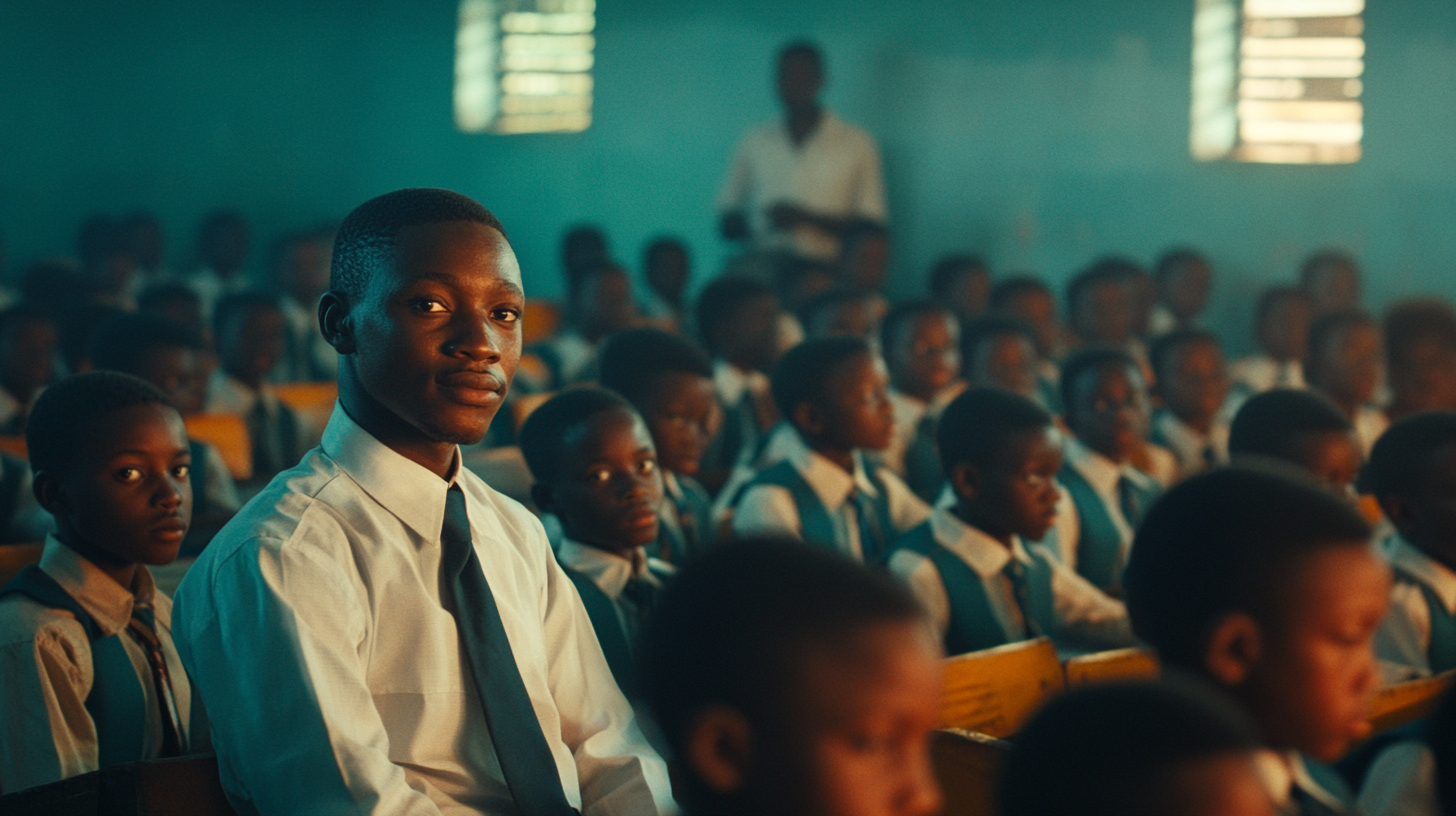

Moving from primary school to secondary school is one of the first major educational transitions many children experience. For parents, it may seem like a natural next step: the child has completed primary school, gained admission and is ready to begin a new chapter. However, for the child, the change can feel much bigger.
A new school often means unfamiliar teachers, more subjects, stricter routines, larger classes, new classmates and greater academic expectations. Some children adjust quickly, while others need time to feel comfortable. Research has consistently shown that the transition from primary to secondary school can affect students’ academic engagement, wellbeing and sense of belonging, particularly when they struggle to adjust to new social and learning environments.
For Nigerian parents, supporting a child through this stage requires more than buying new uniforms, textbooks and school supplies. While these things are important, children also need emotional reassurance, guidance and patience as they learn to navigate a different environment. The way parents respond during this period can make the transition less frightening and help children approach secondary school with greater confidence.
Secondary school often feels very different from primary school. The child who was once familiar with every corner of their school may suddenly find themselves in a larger environment with more classrooms, more teachers and a more complicated timetable.
Instead of having one or a few teachers who know them closely, students may now interact with different teachers for different subjects. They may also be expected to move between classrooms, manage several assignments and remember new rules. In addition, academic work can become more demanding as subjects become broader and teachers expect greater independence.
For some children, this new environment is exciting. They enjoy meeting new people and exploring unfamiliar experiences. However, others may feel overwhelmed, particularly during the first few weeks or months.
The transition is also social. A child may leave behind close friends from primary school and have to build new relationships. They may worry about fitting in, making friends or being accepted by classmates. Research on school transitions has found that relationships with peers and teachers can significantly shape children’s experiences during the move to secondary school.
Parents should therefore avoid assuming that a child who appears quiet or withdrawn is simply being difficult. Sometimes, children struggle to explain what they are feeling. A child may complain about schoolwork when the real problem is loneliness. Another may become reluctant to attend school because they feel intimidated by older students or uncomfortable in their new environment.
This is why parents need to create opportunities for honest conversations. Rather than asking only, “What did you score?” or “Did you finish your homework?”, they can also ask how the child is adjusting, what they enjoy about the school and whether anything is making them uncomfortable.
Simple questions can give children permission to speak openly. They may not always provide immediate answers, but consistent interest helps children understand that their parents are available to listen.
Parents should also remember that adjustment takes time. Not every child will settle into secondary school at the same pace. Comparing a struggling child with a sibling or neighbour who appears to be adapting more quickly can increase anxiety rather than solve the problem.
A child may need time to understand new routines, develop friendships and build confidence. What matters is that parents remain observant and supportive while helping the child gradually become more comfortable in their new environment.
One of the biggest mistakes parents can make during the transition into secondary school is to immediately increase pressure without considering the adjustments the child is already experiencing.
Secondary school often comes with higher academic expectations. Parents may begin talking about future examinations, career choices and the importance of maintaining excellent grades. Although academic encouragement is necessary, children who have barely settled into a new school environment may feel overwhelmed when every conversation centres on performance.
The first goal should be to help the child feel secure. A confident student is generally better positioned to engage with new teachers, ask questions and seek help when necessary.
Parents can support this confidence by focusing on effort and progress rather than demanding immediate perfection. A child who struggles with a subject in the first term does not necessarily lack ability. They may still be adjusting to a new teaching style, more advanced topics or a different learning pace.
Research on the primary-to-secondary school transition has also highlighted the importance of preparedness, positive relationships and a sense of belonging. Children who feel supported by the important people around them are better positioned to navigate the challenges that come with a new school environment.
Parents can therefore encourage children without turning every challenge into a crisis. Instead of reacting harshly to an early poor result, they can ask what the child found difficult and explore what support may be needed.
This approach does not mean lowering academic standards. Rather, it means understanding that effective support often produces better long-term results than fear.
It is also important for parents to help children develop independence. Secondary school students are expected to take greater responsibility for their belongings, assignments and daily routines. However, some parents continue doing everything for their children, only to become frustrated when the child struggles to cope independently at school.
Parents can gradually allow children to take responsibility for preparing their school materials, managing their homework and organising their time. Guidance is still necessary, particularly in the early stages, but the goal should be to help the child develop confidence in handling responsibilities.
This is especially important because secondary school is a period when children begin developing stronger personal identities. They are learning how to make decisions, manage relationships and understand their abilities. Parents who guide without controlling every detail can help children build the confidence needed for this stage.
However, independence should not be confused with emotional distance. A child may need more responsibility while still needing reassurance. The balance between both is crucial.
Read also:
The secondary school leap: Helping your child build confidence and discipline from day one
Lonely in a crowd: Social isolation among secondary school students
The home can play an important role in determining how well a child handles the transition to secondary school. After spending hours navigating new lessons, teachers and social relationships, children need a space where they feel safe enough to express their concerns.
Parents should pay attention to changes in behaviour, particularly during the early months of secondary school. A child who suddenly becomes unusually quiet, loses interest in school or frequently complains of illness may be struggling with something that deserves attention.
Not every change indicates a serious problem. Adolescence itself comes with emotional and developmental changes. However, parents should avoid dismissing repeated signs of discomfort without trying to understand what may be behind them.
Open communication remains one of the strongest forms of support. A child should feel comfortable discussing difficult teachers, friendship problems, academic struggles or fears about school without immediately expecting criticism.
Sometimes, parents unintentionally make children afraid to speak. If every complaint is met with statements such as “You have no reason to complain” or “When I was your age, things were harder”, the child may learn to keep important concerns private.
Listening does not mean agreeing with every complaint. Parents can still correct, guide and set boundaries. However, listening first allows them to understand the child’s experience before deciding how to respond.
Parents should also build a healthy relationship with the school. The transition into secondary school works best when children, parents and educators are not operating separately. Research has emphasised the value of positive relationships and communication among children, parents and schools during this period.
Parents do not need to visit the school every week or interfere with every decision. Nevertheless, they should know important teachers, understand the school’s expectations and maintain reasonable communication when concerns arise.
This can be particularly helpful when a child is struggling academically or socially. Parents and teachers may see different aspects of the child’s behaviour, and sharing relevant information can help both sides understand what support may be needed.
In addition, parents should help children develop realistic expectations about secondary school. It is useful to explain that they may not immediately understand every subject or make close friends in the first week. They may have difficult days, misunderstand instructions or feel nervous about certain situations.
Normalising these experiences can reduce the fear children sometimes feel when things do not go perfectly.
Children also need to understand that asking for help is not a sign of weakness. Parents can encourage them to speak to a trusted teacher when they are confused about academic work or concerned about a situation at school.
A strong support system matters because the transition between education levels can be a vulnerable period for some learners. UNESCO’s Global Education Monitoring Report notes that transitions between education cycles can be critical points at which learners become disengaged or leave the education system, making early support and attention important.
For parents, this does not mean approaching the transition with fear. Instead, it means recognising that support during this period can make a meaningful difference.
A child’s move into secondary school is also an opportunity for growth. The challenges that come with a new environment can help children become more independent, resilient and socially confident. With the right support, they can learn how to manage responsibilities, form new relationships and adapt to unfamiliar situations.
The role of parents is not to remove every difficulty from the child’s path. That would be impossible and may even prevent the child from developing important coping skills. Rather, parents should provide the reassurance, guidance and stability that allow children to face new challenges without feeling alone.
Ultimately, the transition to secondary school is not just about entering a new classroom. It is a significant step in a child’s educational and personal development.
New subjects will be introduced, friendships may change and expectations will increase. There may be moments of excitement and moments of uncertainty. However, when parents remain patient, observant and emotionally available, children are more likely to see the challenges of a new school as experiences they can learn to manage.
The uniform may be new, the classrooms may be unfamiliar and the timetable may take time to understand. Yet, with a supportive home behind them, children can gradually find their place.
The most important thing parents can give during this transition is not pressure to be perfect. It is the confidence that whatever challenges come with the new school, their child does not have to face them alone.