
[]
Home response.text()) .then(data => new DOMParser().parseFromString(data, “text/html”)) .then(dom => dom.querySelector(“div.uos-sitemap”)) .then(sitemap => getBreadcrumbsFromSitemap(sitemap)) .catch(() => getBreadcrumbsFromPath()) .then(breadcrumbs => buildBreadcrumbsHtml(breadcrumbs)) function findElementToStartFrom(sitemap) { let element = sitemap.querySelector(“a[href='” + windowPath + “?’]”) || sitemap.querySelector(“a[href='” + windowPath + “‘]”) if (element) { return element } let pathParts = windowPath.split(“/”).filter(part => part !== ”) for(let i = pathParts.length; i >=1 ; i–) { let path = (‘/’ + pathParts.slice(0, i).join(‘/’)) let element = sitemap.querySelector(“a[href='” + path + “‘]”) || sitemap.querySelector(“a[href='” + path + “/index.page’]”) || sitemap.querySelector(“a[href='” + path + “?’]”) || sitemap.querySelector(“a[href='” + path + “/index.page?’]”) if (element) { return element } } throw new Error(“Can’t find starting element in sitemap”) } function getBreadcrumbsFromSitemap(sitemap) { let breadcrumbs = [] let element = findElementToStartFrom(sitemap); while (element) { breadcrumbs.push(makeBreadcrumb((new URL(element.href)).pathname, element.innerText.trim())) element = getParentLink(element) } let homeTitle = sitemap.querySelector(“h2”).innerText.trim() let homeUrl = sitemap.querySelector(“a”).href.trim() breadcrumbs.push(makeBreadcrumb((new URL(homeUrl).pathname), homeTitle)) return breadcrumbs.reverse() } function getBreadcrumbsFromPath() { console.log(“Building breadcrumbs from path”) let breadcrumbs = [] let pathParts = windowPath.split(“/”).filter(part => part !== ”) for(let i = 1; i char.toUpperCase()) breadcrumbs.push(makeBreadcrumb(url, title)) } return breadcrumbs } function makeBreadcrumb(url, name) { return {href: url.trim(), name: name.trim()} } function buildBreadcrumbsHtml(breadcrumbs) { let rootElement = document.querySelector(“#BreadcrumbListNavElem”) breadcrumbs.forEach(crumb => { if (crumb.href === windowPath) { return } let rootDiv = document.createElement(“div”) rootDiv.setAttribute(“typeof”, “ListItem”) rootDiv.setAttribute(“property”, “itemListElement”) rootDiv.setAttribute(“class”, “uos-breadcrumb-child”) let link = document.createElement(“a”) link.href = crumb.href link.setAttribute(“title”, crumb.name) link.setAttribute(“typeOf”, “WebPage”) link.setAttribute(“property”, “item”) let titleSpan = document.createElement(“span”) titleSpan.innerText = crumb.name rootDiv.appendChild(link) link.appendChild(titleSpan) rootElement.innerHTML += “>” rootElement.appendChild(rootDiv) }) } function getParentLink(element) { while (element.tagName !== “UL”) { element = element.parentElement if (!element) { return null } } return Array.from(element.parentElement.children).find(item => item.tagName === “A”) } ]]>
Published: 2024-10-04 10:22:00
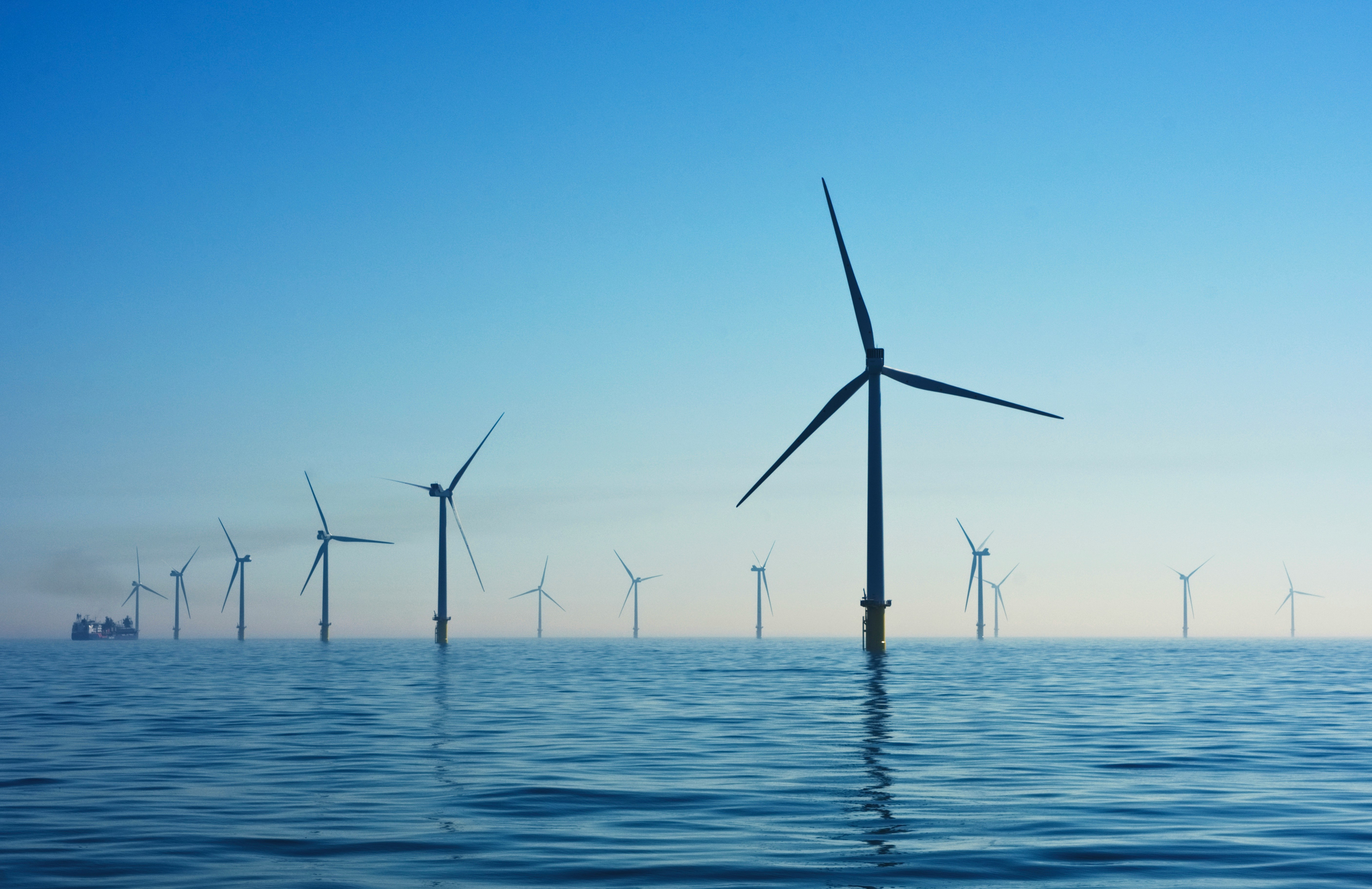
A new report from the UK’s leading offshore renewable energy (ORE) experts calls for urgent action to help the UK meet its Net Zero targets.
ORE Outlook 2040 from the Supergen ORE Hub, which is led from Plymouth by a consortium of ten universities, says the development of energy generation from the sea must be accelerated significantly over the next 16 years.
“This study uses 2040 as a critical milestone on the journey to Net Zero by 2050,” says Professor David White , a Co-Director of the Hub from the University of Southampton and co-author of the report.
“In the timescale of energy infrastructure projects, 2040 is very soon. Our analysis shows urgent actions are needed to harness enough of the UK’s abundant offshore renewable energy to mitigate the climate crisis. This report is a call to action for everyone involved in ORE, as well as for the public – who need both energy and a liveable climate.”
Hub Director, The University of Plymouth’s Professor Deborah Greaves OBE says: “The UK has abundant offshore wind, wave and tidal energy resources and leads globally in ORE technology, but faster, more focused action is required to ensure we meet Net Zero 2050 targets.
“Research and innovation is critical—accelerating the optimisation of existing technologies, reducing design uncertainty, and discovering new ways to plan and construct these devices.
“Business as usual is not enough; radical changes are required to ensure we have the innovation needed to upscale the offshore renewable energy sector and to develop the skilled workforce required to meet the needs of the future renewable energy sector.”
Aimed at researchers, industry, policymakers, and the public, the report summarises current climate change impacts and the UK’s progress to date on reducing carbon emissions.
It shows the ORE deployment pathways needed to reach Net Zero via a just, sustainable and secure energy transition by 2050 using the year 2040 as a key milestone.
Investment in research and innovation will be the driving force behind the ORE sector’s growth – de-risking new technologies, reducing costs, and improving performance.
An emphasis on research and innovation is vital for underpinning economic development and enhancing the competitiveness of the UK supply chain, ensuring the country retains its technological leadership on the global stage.
The report also explores the implications of ORE development through four lenses – planning and consenting; people; supply chain; infrastructure and grid – and adds:
- Achieving 100 GW of offshore wind energy by 2040 is critical for the UK’s future energy supply. This requires a nearly 7× increase in capacity, making radical innovation essential to achieve this growth by optimising and scaling up.
- Tidal stream energy is on a similar growth trajectory to offshore wind but needs continued support to maintain this momentum. Over 12 GW of tidal stream and wave energy capacity is projected in the UK by 2050, equating to 10% of offshore wind capacity. The UK currently leads the world in wave and tidal technology development, projected to be worth £40bn GVA to the UK economy and reduce energy balancing costs by £1 billion a year.
- While wave energy is not yet commercially deployed, the UK has significant potential, with an estimated exploitable wave energy resource of 25 GW. Investment in wave energy technology research over the next decade is essential to unlock its potential, and the Supergen ORE Hub supports advancements in this field.
The Supergen ORE Hub is led by the University of Plymouth and includes Co-Directors from the Universities of Southampton, Aberdeen, Edinburgh, Exeter, Hull, Manchester, Oxford, Strathclyde, and Warwick.
It was created by the Engineering and Physical Sciences Research Council (EPSRC) to deliver strategic and coordinated research on Sustainable Power Generation and supply.